














logo
솔루션
0+
전세계에 국가
0+
파트너들
0+
특허
0+
직원들
회사 행사
Why Low Speed High Torque Performance Matters in Industrial Motor Applications? Why Low Speed High Torque Performance Matters in Industrial Motor Applications? Motor speed is easy to see, but torque often decides whether an industrial machine can start and run smoothly. Torque is the turning force at the motor shaft. Even at low speed, a machine may need torque to overcome friction, gravity, material weight, process resistance, or inertia. A drive that maintains useful torque at low speed is important in many applications. This requirement differs from simple fan and pump duty. Centrifugal fans and pumps normally need less torque as speed decreases. Conveyors, mixers, extruders, winding machines, crushers, and hoists may have a constant torque load. If the motor cannot develop enough torque, the machine may stall, accelerate slowly, lose process stability, or overload the drive. Why Basic Speed Control May Not Be Enough? Basic volts per hertz control changes output voltage and frequency together. It can work well for variable torque loads, but it may have limits at low speed. At low output frequency, voltage drop in the motor stator becomes more significant. If magnetic flux is not maintained correctly, the motor may produce less torque and more heat. A torque boost setting can improve starting performance, but it must be used carefully. Too little can leave the motor weak, while too much can increase current and temperature. For demanding loads, vector control is often a better approach. It regulates motor current and separates the current associated with magnetic flux from the current associated with torque. This helps the drive respond accurately to load changes. Sensorless vector control can provide good low speed torque and speed regulation in many applications without an encoder. Closed loop vector control uses encoder feedback and may be selected when the machine needs accurate speed, strong torque near zero speed, positioning, or controlled response. The right choice depends on the motor type, load, and requirement. Where Low Speed Torque Matters? A loaded conveyor may need to start gradually yet still produce enough torque to move the full load. Mixers and extruders can experience high resistance when material becomes thicker or when the process starts from rest. In winding and unwinding equipment, stable torque helps maintain material tension as roll diameter changes. Hoists and lifting equipment require special care. The drive must coordinate with the mechanical brake and control system so the load is held and moved safely. A VFD should not be treated as the only safety device. The motor, braking system, limit protection, and control sequence must be designed as one system. Reliable low speed torque can support smoother acceleration, reduce mechanical shock, prevent stalls, and improve process consistency. Motor Cooling and Drive Sizing Low speed operation creates a thermal challenge. Many standard motors use a shaft mounted cooling fan. When the motor slows down, the fan also slows down. A motor delivering high torque for a long period at low speed can generate heat faster than it removes it. This may require an inverter duty motor, an independently powered cooling fan, a lower continuous torque limit, or a different mechanical design. Drive selection should be based on current and overload demand, not rated power alone. Engineers should review rated current, starting torque, duty cycle, acceleration time, inertia, gearbox ratio, ambient temperature, altitude, and enclosure conditions. A drive sized only by kilowatts may be unsuitable if the machine requires frequent heavy starts or long duration torque at low speed. Commissioning and Protection Correct motor data is essential. Rated voltage, current, frequency, speed, power, connection method, and control mode should be entered accurately. Motor identification or auto tuning can help the drive build a better control model when the application allows it. During commissioning, users should test under real load and check current, temperature, vibration, ramp performance, and alarms. Torque limits can help prevent mechanical overload, while acceleration and deceleration settings can reduce stress on the machine. Vertical or high inertia loads may return energy to the drive during deceleration, so braking requirements should be assessed before full duty operation. For industrial projects that need low speed torque performance, VEIKONG VFD530 can be evaluated for PMSM and induction motor applications. Its configuration should be chosen according to motor type, load profile, current requirement, speed range, and feedback needs. The final selection should also consider the mechanical system and site conditions. Low speed high torque performance is not a single number on a datasheet. It results from matching the motor, drive control mode, cooling method, overload capacity, gearing, and commissioning process to the real machine. When these elements are selected together, a VFD can provide more reliable motion and better process control at the speeds where the work is often hardest. Related words: low speed high torque VFD vector control drive Industrial motor torque control
2026-08-06 18:45:59 More >
How Sensorless PMSM Control Works: Achieving Precise Motor Control Without an Encoder? How Sensorless PMSM Control Works: Achieving Precise Motor Control Without an Encoder? Permanent magnet synchronous motors, called PMSMs, are used where efficiency, compact design, and controllable speed are important. Unlike an induction motor, a PMSM rotor contains permanent magnets. To produce smooth torque, the variable frequency drive must keep the stator magnetic field aligned with the rotor magnetic field. Rotor position information is therefore an important part of PMSM control. An encoder can provide this information. It is connected to the motor shaft and sends position and speed signals to the drive. In some applications, however, an encoder adds cost, cables, installation work, and a component exposed to vibration, dust, heat, or moisture. Sensorless PMSM control estimates rotor position and speed without using a mechanical position sensor. Why Rotor Position Matters? A PMSM drive cannot control torque by frequency alone. It needs to know where the rotor magnetic poles are, so it can send current to the correct stator windings at the correct time. If the estimated rotor angle is inaccurate, torque may become weak or uneven. The motor may vibrate, draw excessive current, lose speed stability, or trigger a protection alarm. This is why PMSM systems commonly use vector control. The drive separates motor current into components that influence magnetic flux and torque, then adjusts them continuously. This provides a faster and more stable response to load changes than basic volts per hertz control. For a PMSM, the quality of the rotor position estimate has a direct effect on torque and speed performance. How Sensorless Estimation Works? A sensorless drive measures output current and voltage, then uses a motor model to estimate rotor speed and electrical angle. At normal operating speed, the motor produces back electromotive force, often called back EMF. The drive analyses this electrical response with motor parameters such as resistance, inductance, and magnetic flux. Its algorithm continuously updates the estimate and changes the output accordingly. The method is practical because the drive already measures electrical values for control and protection. No separate shaft encoder or feedback cable is required. The estimate is still affected by temperature, motor parameter accuracy, cable conditions, load changes, and the quality of the control algorithm. Starting and Low Speed Operation? Startup and very low speed are the most demanding conditions for sensorless PMSM control. Back EMF becomes weak when the rotor is stationary or moving slowly, so the drive has less electrical information to analyse. Many systems use an initial rotor alignment procedure and a controlled starting sequence before normal estimation takes over. Depending on the drive and motor design, additional low speed estimation methods may also be available. Sensorless control can perform reliably in many fans, pumps, compressors, mixers, conveyors, and industrial machines. It may not provide the same zero speed torque accuracy or position certainty as a configured encoder system. Applications requiring exact positioning, long operation near zero speed, rapid reversals under heavy load, or tightly controlled hoisting duty should be reviewed carefully. Benefits and Selection Removing the encoder can simplify a machine. It can reduce wiring time, lower the number of external parts, avoid encoder alignment work, and reduce possible sensor related faults. These benefits can be useful in retrofit projects and harsh industrial environments. An encoder is often justified when speed error must be small, when high torque is needed before the motor moves, or when the machine must know a precise shaft position. Sensorless control is often a strong choice when the goal is stable speed regulation and efficient motor operation without external feedback. Commissioning for Reliable Results Sensorless PMSM performance depends on correct commissioning. The technician should enter motor data accurately and confirm wiring, voltage class, current rating, pole pairs, rated speed, and connection method. If the drive provides motor identification or auto tuning, it should be completed according to the application requirements. The system should be tested under real load. Motor direction, starting behaviour, current, speed stability, acceleration, deceleration, temperature, and alarms should all be checked. A drive may run an unloaded motor well but still need adjustment when the machine is connected to its process. For encoderless PMSM projects, VEIKONG VFD530 can be evaluated as a motor drive platform. Its control functions support PMSM and induction motor applications, while the final configuration should be selected according to the motor data, load characteristics, speed range, and feedback needs. Where sensorless performance meets the process target, the system can provide motor control with fewer external components. Sensorless PMSM control is not simply an encoder removed from a motor. It is a method that estimates rotor condition from electrical behaviour and uses that estimate to manage torque and speed. Understanding its strengths and limits helps engineers select a solution that fits the machine. Related words: sensorless PMSM control encoderless motor drive PMSM vector control
2026-08-06 18:44:19 More >
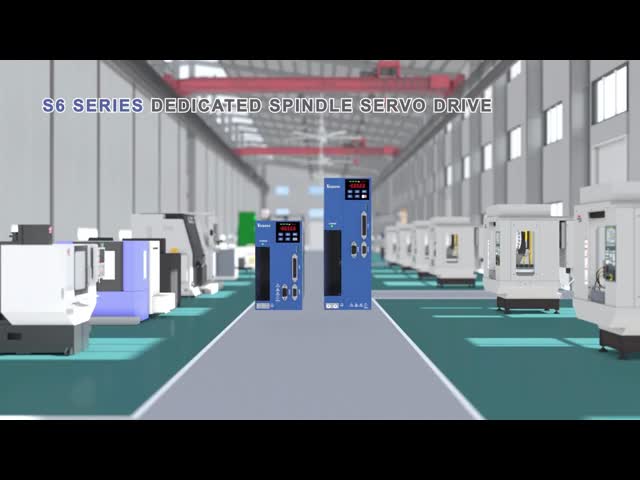
어떻게 인코더 피드백은 가공 정확도를 향상시키는가? 어떻게 인코더 피드백은 가공 정확도를 향상시키는가? 오늘날 제조업에서는 기계 정밀성이 그 어느 때보다 중요해졌습니다. 항공기 부품, 자동차 부품, 정밀 폼 또는 의료 기기 생산이든제조업체는 CNC 기계가 높은 생산 효율성을 유지하면서 일관된 품질을 제공하기를 기대합니다.. 많은 요소가 가공 성능에 영향을 주지만, 인코더 피드백은 정확한 모션 제어의 가장 중요한 기술 중 하나입니다.스핀드 모터의 실제 움직임을 지속적으로 모니터링함으로써, 인코더 피드백은 서보 드라이브가 속도 안정성, 위치 정확성 및 전반적인 가공 품질을 향상시키는 실시간 조정을 할 수 있습니다. 이 문서에서는 인코더 피드백이 어떻게 작동하는지 설명하고 현대 스핀들 서보 시스템에서 왜 필수적인 기능이 되었는지 설명합니다. 인코더 피드백이란 무엇입니까? 인코더는 모터나 스핀드에 설치된 피드백 장치로 회전 속도와 위치를 측정합니다.세르보 드라이브는 지속적으로 인코더로부터 피드백을 받습니다., 명령된 동작과 실제 동작을 비교할 수 있습니다. 차이는 감지될 때마다, 드라이브는 즉시 오류를 제거하기 위해 모터 출력을 조정합니다.이것은 전통적인 오픈 루프 제어보다 훨씬 더 정확한 폐쇄 루프 제어 시스템을 만듭니다.. CNC 가공의 경우, 이러한 지속적인 피드백은 가동량이 변하거나 가공 조건이 변할 때에도 스핀드가 필요한 대로 작동하도록 보장합니다. 안정적 인 스핀드 속도 유지 가공 도중 가장 큰 과제 중 하나는 일정한 스핀드 속도를 유지하는 것입니다. 절단 도구가 작업 조각과 접촉 할 때 절단 힘은 즉시 증가합니다. 피드백이 없으면 스핀드 속도는 변동 될 수 있습니다.가속화 된 도구 마모. 인코더 피드백은 스핀드 서보 드라이브가 실제 스핀드 속도를 실시간으로 모니터링 할 수 있습니다.드라이브는 즉시 목표 속도를 복원하기 위해 모터 출력을 증가마찬가지로, 부하가 감소하면, 드라이브는 자동으로 토크를 줄여 스핀델이 원활하게 작동하도록합니다. 이 빠른 조정은 가공 과정 전체에 걸쳐 안정적인 절단 조건을 유지하는 데 도움이 되며, 결과적으로 제품의 품질이 향상되고 더 일관된 가공 결과가 발생합니다. 위치 정확성 향상 많은 CNC 작업에서는 스핀드가 정확한 각 위치에서 멈출 필요가 있다. 자동 도구 변경, 스핀드 방향, 딱딱한 탭 등의 기능들은 모두 정확한 위치에 달려 있다. 엔코더 피드백은 전체 가공 주기에 걸쳐 정확한 위치 정보를 제공합니다. 스핀드의 위치를 추정하는 대신,서보 드라이브는 항상 정확한 위치를 알고 지속적으로 모든 오차를 수정. 현대 스핀드 서보 드라이브는 또한 반 닫힌 루프 및 완전한 닫힌 루프 제어를 지원하여 까다로운 가공 애플리케이션에 더 높은 위치 정확도를 가능하게합니다.생산 허용 범위가 점점 더 엄격해지면서, 정확한 피드백은 신뢰할 수 있고 반복 가능한 결과를 얻기 위해 필수적입니다. 다른 인코더 기술을 지원 다른 CNC 기계는 성능 요구 사항에 따라 다른 인코더 솔루션을 요구합니다. 일반적인 인코더 유형에는 인크리멘탈 인코더, 절대 인코더, TTL 디퍼셜 인코더, SinCos 인코더 및 SSI 및 BiSS와 같은 통신 프로토콜이 포함됩니다.각 기술 은 정확성 으로서 독특 한 장점 을 제공한다, 반응 속도, 시스템 통합 기계 제조업체에게는 여러 종류의 인코더를 지원하는 스핀드 서보 드라이브를 선택하는 것이 더 많은 유연성을 제공합니다. 기계 설계를 단순화합니다.다른 CNC 컨트롤러와의 호환성을 향상시킵니다., 그리고 제조업체는 각 응용 프로그램에 가장 적합한 인코더를 선택할 수 있습니다. 첨단 스핀드 서보 시스템은 또한 모터와 스핀드 인코더 입력을 분리할 수 있습니다. 모터와 기계 스핀드 모두를 모니터링함으로써,제어 시스템은 전송 오류를 추가로 줄이고 전체 가공 정밀도를 향상시킬 수 있습니다.. 에코더 피드백이 중요한 이유 CNC 가공이 더 높은 정밀도와 더 높은 스핀드 속도를 향해 계속 발전함에 따라 인코더 피드백의 중요성은 계속 증가합니다. 신뢰할 수 있는 피드백 시스템은 속도 안정성, 위치 정확성, 가공 일관성 및 전체 기계 성능을 향상시키는 데 도움이됩니다.또한 기존 제어 방법만으로 달성하기가 어려운 고급 기능을 가능하게합니다.. 스핀드 서보 드라이브를 선택할 때 제조업체는 모터 호환성 및 용량 등급뿐만 아니라 시스템에서 지원하는 인코더 인터페이스 및 피드백 기능을 평가해야합니다.잘 설계된 피드백 솔루션은 기계의 신뢰성을 크게 향상시킬 수 있으며 시공 시간과 장기 유지 보수 비용을 줄일 수 있습니다.. 결론 인코더 피드백은 현대 CNC 기계가 높은 가공 정확도를 달성 할 수있는 핵심 기술 중 하나입니다. 스핀드 속도와 위치를 지속적으로 측정함으로써,그것은 모션 컨트롤을 개선하는 실시간 수정을 하기 위해 servo 드라이브를 허용, 오류를 줄이고 안정적인 가공 성능을 유지합니다. 제조 요구가 계속 증가함에 따라 고급 인코더 피드백으로 장착된 폐쇄 루프 제어 시스템은 정확성, 효율성,그리고 신뢰성. VEIKONG에서는 인코더 피드백의 원리를 이해하는 것이 기계 제작자와 제조업체가 스핀드 서버 솔루션을 선택할 때 더 나은 결정을 내리는 데 도움이 된다고 믿습니다.첨단 제어 기술과 광범위한 인코더 호환성을 결합하여, 현대 스핀드 서보 드라이브는 오늘날의 고성능 CNC 가공 애플리케이션에 필요한 정밀도를 제공합니다. 관련 단어: 스핀드 인코더 CNC 스핀들 위치 제어
2026-07-15 18:59:28 More >
스핀들 서보 드라이브를 구입하기 전에 고려해야 할 5가지 사항 스핀들 서보 드라이브를 구입하기 전에 고려해야 할 5가지 사항 올바른 스핀들 서보 드라이브를 선택하는 것은 CNC 기계를 제작하거나 업그레이드할 때 가장 중요한 결정 중 하나입니다. 정밀 부품을 제조하든, 머시닝 센터를 운영하든, 기존 공작 기계를 개조하든 스핀들 드라이브는 가공 정확도, 스핀들 안정성, 생산 효율성 및 장기 운영 비용에 직접적인 영향을 미칩니다. 시중에서 판매되는 다양한 스핀들 서보 드라이브를 사용하면 귀하의 응용 분야에 가장 적합한 솔루션을 결정하는 것이 어려울 수 있습니다. 가격이 중요한 요소인 경우가 많지만 고품질 스핀들 서보 시스템은 비용보다는 성능, 호환성, 신뢰성 및 향후 확장성을 기준으로 평가해야 합니다. 이 기사에서는 스핀들 서보 드라이브를 선택하기 전에 모든 엔지니어, 기계 제작자 및 구매 관리자가 고려해야 할 다섯 가지 주요 요소에 대해 설명합니다. 1. 드라이브가 모터와 일치하는지 확인하십시오. 첫 번째이자 가장 근본적인 고려 사항은 모터 호환성입니다. 모든 스핀들 서보 드라이브가 동일한 모터 유형을 지원하는 것은 아닙니다. 호환되지 않는 드라이브를 선택하면 성능이 저하되거나 작동이 불안정해지거나 장비를 성공적으로 시운전하지 못할 수도 있습니다. 스핀들 서보 드라이브를 구매하기 전에 다음을 포함하여 스핀들 모터를 지원하는지 확인하십시오. · 영구자석 동기 모터(PMSM) · 비동기(유도) 모터 · 정격 전압 및 전력 · 정격 속도 및 최대 속도 · 인코더 유형 및 피드백 신호 또 다른 중요한 측면은 모터 매개변수를 정확하게 식별하는 드라이브의 능력입니다. 최신 스핀들 서보 드라이브에는 자동 모터 식별 또는 자체 학습 기능이 포함되어 있어 드라이브가 오랜 시간 수동 조정 없이 최적화된 제어 모델을 설정할 수 있는 경우가 많습니다. 이는 속도 조절 및 토크 성능을 향상시키면서 시운전을 단순화합니다. 적절하게 일치하는 모터 구동 조합은 안정적인 가속, 부드러운 작동 및 일관된 가공 품질을 보장합니다. 2. 속도 제어 및 토크 성능 평가 기존 가변 주파수 드라이브와 달리 스핀들 서보 드라이브는 속도 정확성과 토크 안정성이 모두 필수적인 고속 가공 응용 분야를 위해 특별히 설계되었습니다. 스핀들 서보 드라이브를 평가할 때 다음과 같은 질문을 고려하십시오. · 다양한 절삭 부하에서도 일정한 속도를 유지할 수 있습니까? · 저속과 고속 모두에서 충분한 토크를 제공합니까? · 빠른 가속과 감속이 가능한가요? · 안정성을 희생하지 않고 고속 작동을 지원합니까? 많은 CNC 응용 분야에서 스핀들 성능은 최대 RPM뿐만 아니라 절삭 중에 스핀들이 해당 속도를 얼마나 일관되게 유지하는지에 따라 결정됩니다. 고급 스핀들 서보 드라이브는 일반적으로 벡터 제어 알고리즘, 고속 전류 제어 및 약계자 기술을 특징으로 합니다. 이러한 기술은 유용한 출력 전력을 유지하면서 모터의 작동 속도 범위를 확장하는 데 도움이 되므로 밀링, 드릴링, 연삭 및 선삭과 같은 까다로운 가공 작업에 적합합니다. 드라이브가 토크와 속도를 더 잘 제어할수록 가공 결과의 일관성은 더욱 높아집니다. 3. 인코더 호환성 및 통신 옵션 확인 최신 CNC 기계는 정확한 위치와 속도 피드백에 크게 의존합니다. 따라서 또 다른 중요한 고려 사항은 스핀들 서보 드라이브가 CNC 컨트롤러에 필요한 인코더 유형과 통신 프로토콜을 지원하는지 여부입니다. 일반적인 인코더 옵션은 다음과 같습니다. · 증분 인코더 · 절대 인코더 · SinCos 인코더 · SSI 및 BiSS 인코더 다양한 기계 제작업체와 CNC 시스템에는 다양한 엔코더 인터페이스가 필요할 수 있으므로 유연성이 중요한 이점입니다. 의사소통도 마찬가지로 중요합니다. 기계 아키텍처에 따라 사용자에게 다음이 필요할 수 있습니다. · 아날로그 명령 신호 · 펄스열 제어 · EtherCAT 통신 · 기타 산업용 모션 제어 버스 다양한 인터페이스 옵션이 있는 드라이브를 선택하면 새로운 장비와 개조 프로젝트에 쉽게 통합할 수 있으며 향후 업그레이드 비용도 절감할 수 있습니다. 제조가 점점 디지털화됨에 따라 현대 산업 통신 시스템과의 호환성은 기계 자동화에 더 큰 유연성을 제공합니다. 4. 신뢰성 및 보호 기능 고려 스핀들 서보 드라이브는 먼지, 진동, 전기 소음 및 온도 변화가 있는 환경에서 지속적으로 작동하는 경우가 많습니다. 따라서 신뢰성은 성능만큼 중요해집니다. 제품을 비교할 때 드라이브의 하드웨어 설계와 보호 기능에 주의하세요. 중요한 기능은 다음과 같습니다. · 효과적인 열 관리 · 효율적인 냉각 설계 · 과전류 보호 · 단락 보호 · 과전압 보호 · 전자기 간섭(EMI) 저항 · 가혹한 조건에서도 안정적인 작동 잘 설계된 냉각 구조는 연속 작동 중에 내부 온도를 낮게 유지하여 서비스 수명을 크게 향상시킬 수 있습니다. 마찬가지로 강력한 간섭 방지 기능은 특히 여러 고전력 전기 장치가 동시에 작동하는 산업 환경에서 통신 오류를 줄이고 예기치 않은 기계 가동 중지 시간을 최소화하는 데 도움이 됩니다. 신뢰할 수 있는 스핀들 서보 드라이브를 선택하면 궁극적으로 유지 관리 비용이 절감되고 서비스 수명 전반에 걸쳐 기계 가용성이 향상됩니다. 5. 오늘날의 요구 사항을 넘어서 생각하십시오. 많은 기계 제조업체는 초기에 현재 생산 요구 사항을 충족하기 위해 장비를 구입합니다. 그러나 제조 요구 사항은 시간이 지남에 따라 변화하는 경우가 많습니다. 따라서 스핀들 서보 드라이브는 향후 기계 업그레이드를 제한하기보다는 향후 확장을 위한 공간을 제공해야 합니다. 결정을 내리기 전에 다음과 같은 질문을 고려해 보십시오. · 드라이브가 다양한 CNC 시스템을 지원할 수 있습니까? · 펌웨어 업그레이드가 가능한가요? · 나중에 고성능 기계 모델에 사용할 수 있나요? · 다중 제어 모드를 지원합니까? · 기술 문서를 쉽게 이용할 수 있나요? 유연한 제품은 제조업체가 새로운 기계 모델을 개발하거나 다양한 고객을 위해 장비를 조정할 때 재설계 비용을 줄이는 데 도움이 됩니다. OEM, 유통업체, 기계 통합업체의 경우 확장 가능한 솔루션을 선택하면 하나의 제품 플랫폼이 여러 기계 구성을 지원할 수 있으므로 재고 관리도 단순화됩니다. 최종 생각 스핀들 서보 드라이브는 전력 변환기 그 이상입니다. 이는 스핀들 성능, 가공 정밀도 및 전반적인 생산 효율성을 결정하는 핵심 구성 요소입니다. 구매 결정을 내리기 전에 엔지니어는 다음과 같은 5가지 필수 측면을 신중하게 평가해야 합니다. · 모터 호환성 · 속도 및 토크 성능 · 인코더 및 통신 지원 · 신뢰성 및 보호 기능 · 미래의 확장성 초기 구매 가격을 넘어 장기적인 성능에 중점을 두는 것은 제조업체가 기계 신뢰성을 높이고 가공 품질을 향상시키며 총 운영 비용을 낮추는 데 도움이 될 수 있습니다. VEIKONG에서는 올바른 스핀들 서보 드라이브를 선택하는 것이 단순히 사양을 비교하는 것이 아니라 애플리케이션을 이해하는 것에서부터 시작된다고 믿습니다. CNC 기술이 계속 발전함에 따라 정밀한 제어, 안정적인 작동 및 유연한 통합을 결합한 솔루션을 선택하면 제조업체가 점점 더 까다로워지는 제조 환경에서 경쟁력을 유지할 수 있습니다. 관련 단어: 스핀들 인코더 CNC 스핀들 위치제어
2026-07-15 18:56:43 More >
조사를 보내기 위해 환영하세요
온라인 통신 형태를 통하여 상품에 대한 당신의 요구를 전달하세요 우리는 이메일과 휴대에서 더 빠른 퀄티레이션으로 대답할 것입니다
우리는 온라인으로 일하는 것을 계속하고 연락하게 됩니다.
+86 139 2373 6332 (WhatsApp)
Terry.lee@veikong.com
4F, Building 5, Dongluyang Industrial, Park, No. 4, Tengfeng 4th Road, Fuyong Phoenix Third, Industrial Zone, Baoan District, Shenzhen 중국